I Miss When We Had a Mutual Client
Reflecting on 25+ years in the restoration industry and how the claims process shifted from collaboration to conflict.
The Evolution of Water Damage Restoration on the Gulf Coast
I miss some things about the mitigation industry I entered more than 25 years ago. The industry was still developing. There was a tremendous amount to learn, and I wanted to learn it. I took classes, earned certifications, attended trade shows, studied industry guidelines and tried to conduct my business fairly and honestly.
Nobody knew everything. We learned from instructors, other contractors, manufacturers, adjusters and, sometimes, from mistakes.
But there is something else I miss even more.
"We used to have a mutual client."
When a policyholder had a serious water loss, I regularly dealt with insurance professionals who seemed to view the contractor as part of the solution.
An adjuster might call and say, essentially, "My insured has a problem. Can you help them?" And we did.
Adjusters actually came to job sites. Sometimes within hours, usually within a few days.
We would walk the property together.
"Here's what we found."
"Here's what we're drying."
"This material isn't responding the way we expected."
"Did you notice this?"
"What do you think about that?"
There could certainly be disagreements. Contractors and adjusters have never seen every issue exactly the same way. But disagreement wasn't automatically warfare.
We were dealing with a problem that needed to be solved.

Somewhere Along the Way, the Relationship Changed
Today, the relationship often feels very different.
I don't want to paint every insurance carrier or every adjuster with the same brush. I have worked with good insurance professionals throughout my career, and I know many adjusters are working inside systems they did not create.
But from the contractor's side of the table, the claims process has become increasingly adversarial.
The policyholder can begin to feel as though he or she is on one side.
The mitigation contractor is standing beside them.
And the insurance company is standing somewhere across the table.
Instead of everyone asking:
"What happened, what needs to be done, and what is reasonable?"
the discussion can quickly become:
"Who authorized that?"
"Why was that necessary?"
"Why did it take that many days?"
"Why did you use that equipment?"
"Send us more documentation."
And after the documentation is sent:
"Send us something else."
Documentation is important. I believe strongly in it. A professional contractor should be able to explain what was done, why it was done and how the conditions changed during the project.
But documentation should help people make decisions.
It should not become an obstacle course.

Sometimes There Was Even a Check
This may sound like ancient history to younger people in the industry, but I can remember an adjuster actually writing a check to help fund part of the work.
The attitude was basically:
"Get started. Take care of our policyholder. Keep me informed, and let me know what this is going to involve."
Imagine that.
It wasn't a blank check.
It wasn't permission to charge whatever somebody wanted.
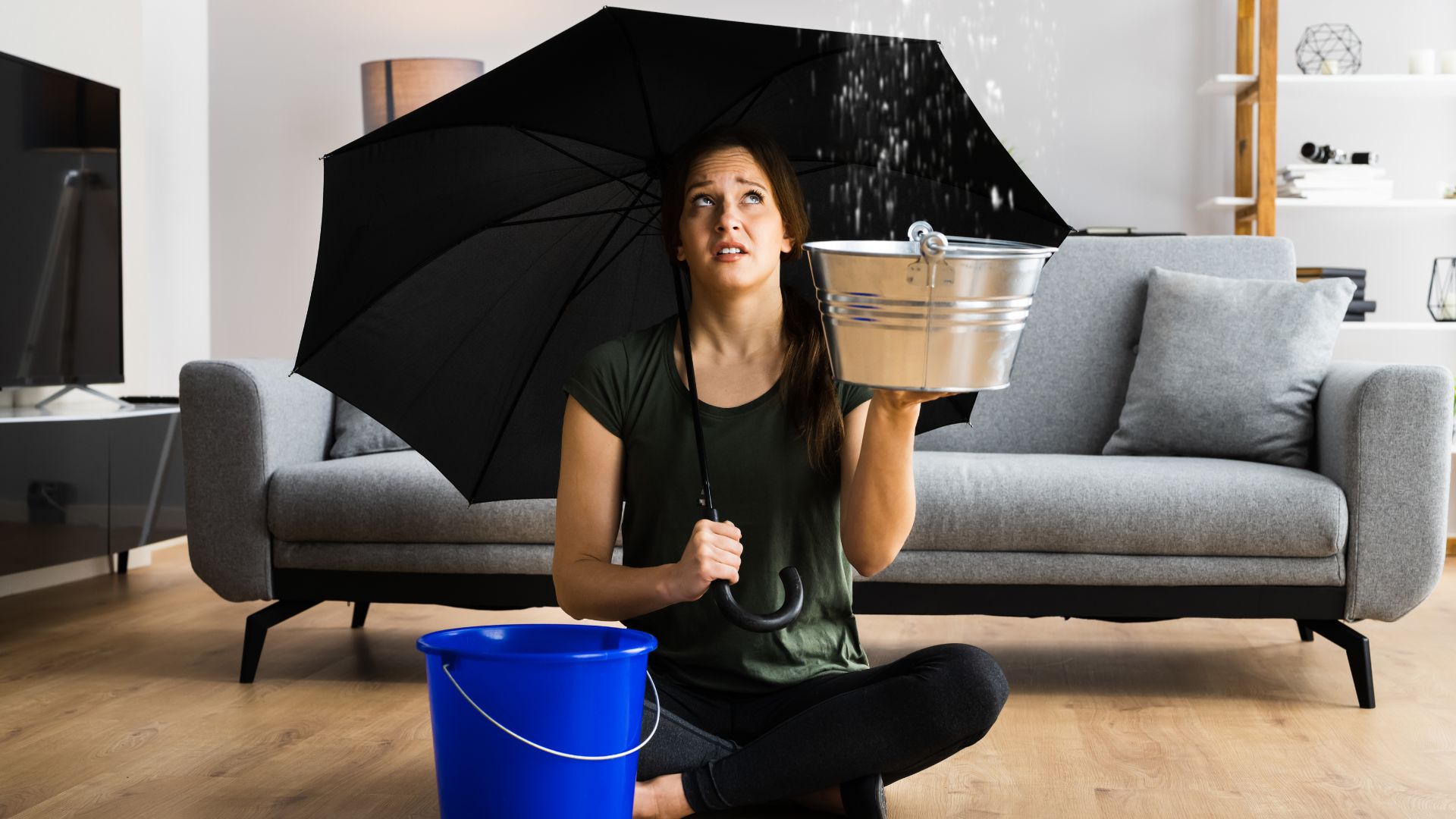
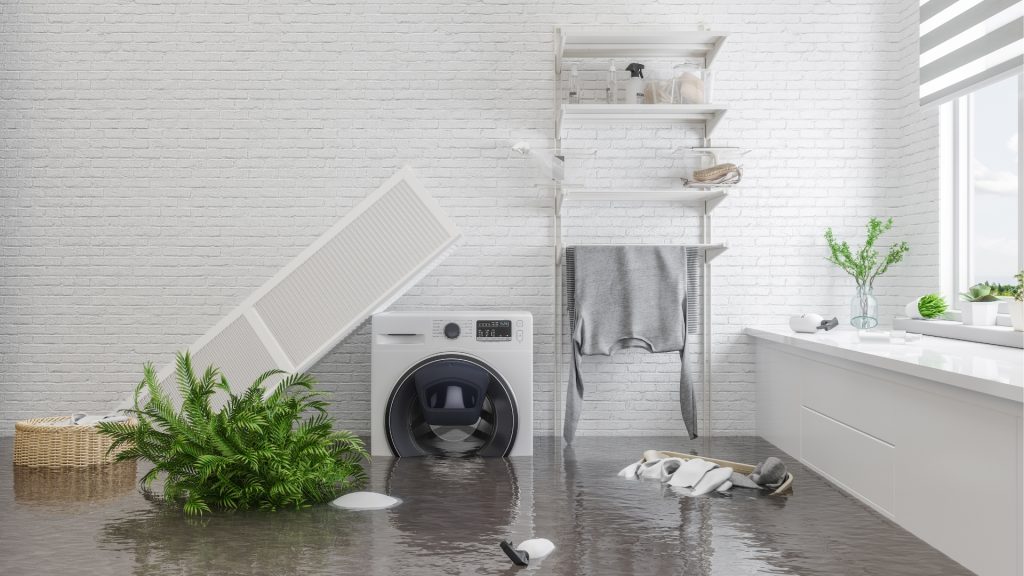
It was recognition of something pretty basic: water damage doesn't stop while everyone argues over paperwork.
- ✓ Wet buildings have to be evaluated.
- ✓ Water has to be extracted.
- ✓ Materials have to be inspected.
- ✓ Drying decisions have to be made.
- ✓ Conditions have to be documented.
And somebody has to pay the people doing the work.
The Policyholder Is Still the Person Everyone Should Be Serving
This is the part I think sometimes gets forgotten.
The person standing in the middle of all this did not ask for a pipe to break, a roof to leak or a building to flood.
They bought insurance because they believed it would help them when something went wrong.
They hired a contractor because they needed someone who knew what to do next.
That homeowner or business owner shouldn't have to become a referee between two industries.
The contractor has responsibilities.
The insurance carrier has responsibilities.
The policyholder has responsibilities.
And none of those responsibilities disappears simply because the parties disagree about price, scope or coverage.
Maybe We Need to Remember the Original Idea
I am no longer performing physical mitigation or remediation work. Today my role is consulting: evaluating water and moisture problems, reviewing documentation, assessing scopes of work and helping people understand what happened and what reasonable corrective action looks like.
Maybe that distance has made something clearer to me.
The best outcomes I've seen during my career usually occurred when knowledgeable people were willing to communicate with one another.
Not when everyone agreed.
When they communicated.
There is nothing wrong with an adjuster questioning a contractor.
There is nothing wrong with a contractor defending necessary work.
There is nothing wrong with an insurance company asking for documentation.
And there is certainly nothing wrong with a policyholder expecting everyone involved to explain themselves.
But somewhere in that process, it would be useful to remember:
"They are supposed to have a mutual client."
I miss the days when it felt that way.
Mike Conroy Consulting
Inspect • Correct • Protect.
Michael Conroy 850-777-6655
CIEC, Master Restorer
Florida Mold Assessor MRSA 2103
Florida Mold Remediator MRSR 1743
Frequently Asked Questions
Expert insights on water damage claims, dispute resolution, and independent consulting along the Gulf Coast.