Can a house be considered normal and still bother someone who lives there?
After more than 26 years investigating water damage and mold in buildings, I've learned that people don't always respond to the same indoor environment in the same way.
One person may have allergies. Another may have asthma. Someone else living in that same house may feel perfectly fine.
Same house. Different people. Different responses.
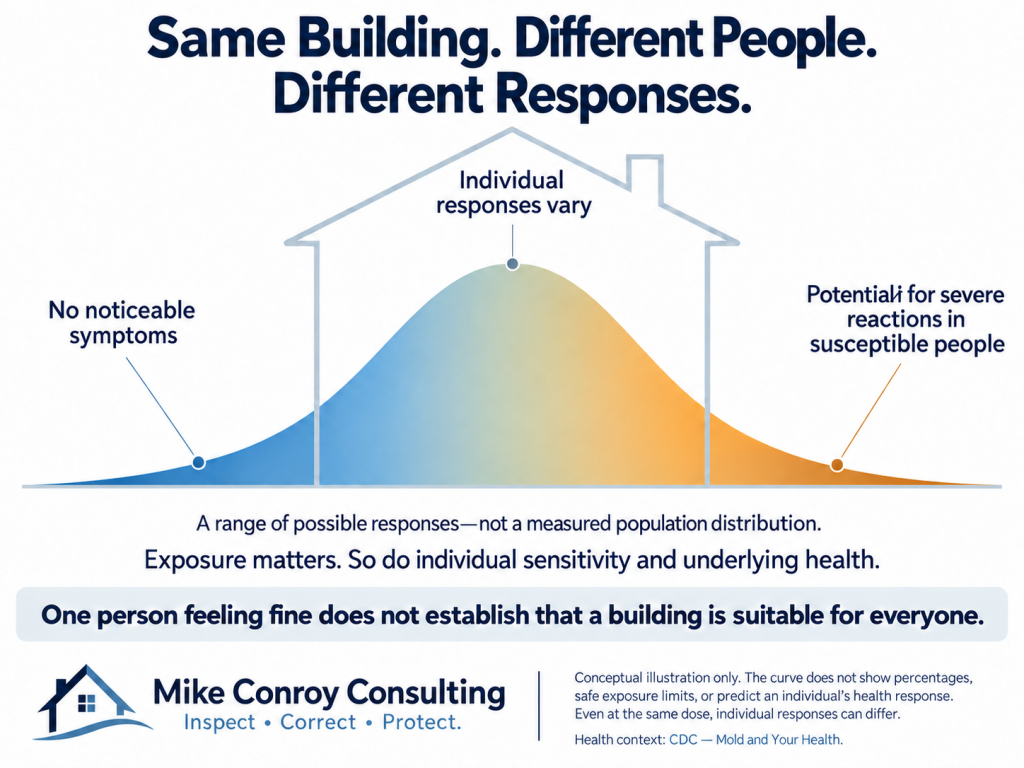
Take a look at the graphic accompanying this article.
The house represents a shared indoor environment. The bell-shaped curve illustrates something we sometimes overlook: People vary in how sensitive they are to things in their surroundings.
The curve is an illustration, not a scientific measurement of how many people are sensitive to mold.
So what is Normal Fungal Ecology?
In the mold remediation industry, we follow a professional standard known as IICRC S520.
It describes something called Condition 1 — Normal Fungal Ecology.
In simple terms, mold spores are naturally present in the air, both outdoors and indoors. A normal indoor environment is not a mold-free environment.
When a building has experienced mold contamination, the general goal of professional remediation is to return the affected areas to Condition 1.
But here's where things get interesting.
A building can meet that environmental goal without necessarily being comfortable or suitable for every individual.
Some people have mold allergies, asthma, or other medical conditions that make them more susceptible to certain environmental exposures.
And there is no single air-sample number that tells us a building is safe or unsafe for everybody.
That's why I look beyond the laboratory report.
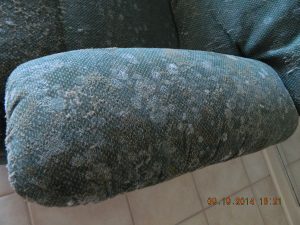
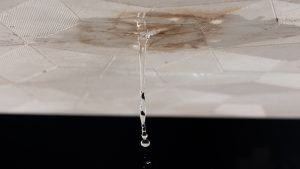
When I investigate a building, I'm looking for evidence of water intrusion, hidden moisture, damaged materials, visible mold growth, and conditions that might contribute to poor indoor air quality.
I also recognize that mold isn't the only thing that can affect an indoor environment. Dust, pets, ventilation problems, cleaning practices, and other contaminants may matter.
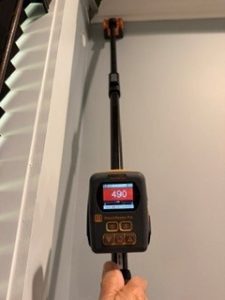
Air samples can provide useful information, but they cannot tell the whole story.
My job is to investigate the building, document what I find, and recommend corrections when they're needed.
A medical professional's job is to evaluate an individual's symptoms and sensitivities.
Those are two different responsibilities.
Here's my bottom line.
Normal Fungal Ecology is a reasonable goal for mold remediation. But normal doesn't necessarily mean every person will respond to that environment in the same way.
We should be careful not to confuse the condition of a building with the medical condition of the people living in it.
And we shouldn't promise more than the evidence can support.
Mold deserves respect — not mycomythology.
Mike Conroy Consulting
ACAC Certified Indoor Environmental Consultant (CIEC)
IICRC Triple Master
Florida Licensed Mold Assessor — MRSA 2103
Inspect • Correct • Protect